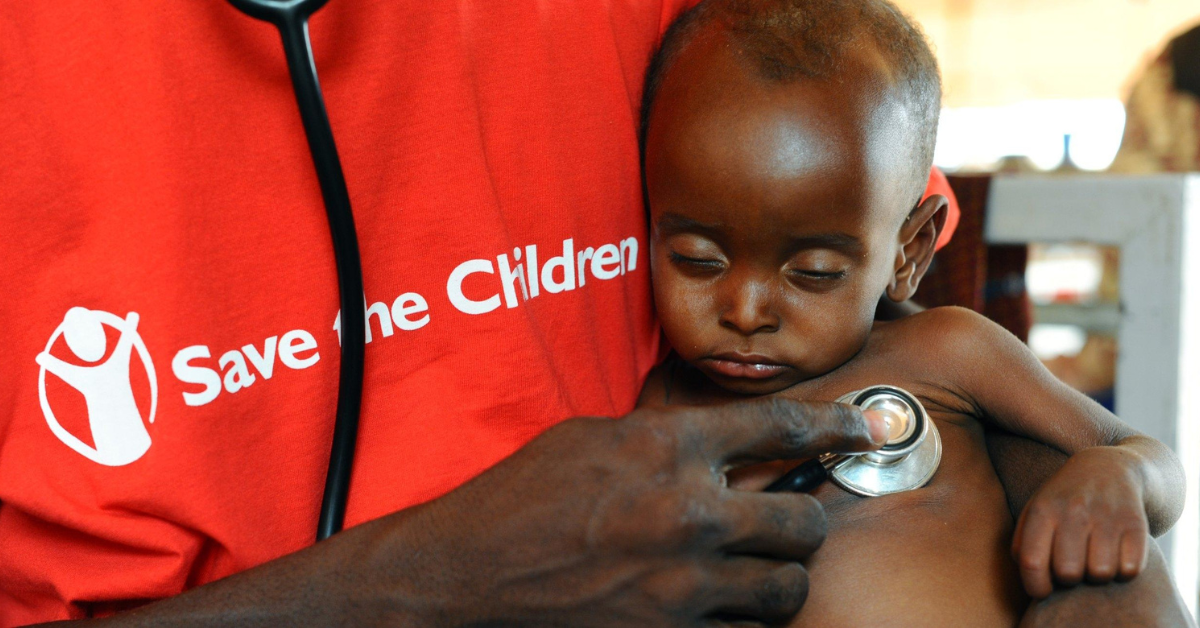

Save the Children Graduate Trainee & Global Internship Programme 2026.As global communities navigate evolving crises stemming from climate emergencies, economic instability, and regional conflicts, protecting children’s fundamental rights has become more urgent than ever. Guided by its mission to ensure that every child survives, learns, and is protected, Save the Children International (SCI) is scaling its entry-level talent pathways for 2026.
The Save the Children Graduate Trainee & Global Internship Programme 2026 is a premier launchpad for young professionals, recent graduates, and final-year students looking to break into the highly competitive international non-governmental organization (INGO) sector. Operating across global headquarters, regional hubs, and field offices—including London (UK), Nairobi (Kenya), Fairfield (USA), and dozens of country missions—these tracks embed emerging talents directly into frontline humanitarian operations. Featuring structured mentorship and competitive entry-level stipends or local salary allocations, this program offers an exceptional fusion of professional skill-building and world-changing purpose.
Save the Children Graduate Trainee & Global Internship Programme 2026
Program Architecture & Functional Tracks
Save the Children operates dynamic, multi-sectoral programs worldwide. Rather than assigning purely administrative tasks, the 2026 cohort tracks are designed around hands-on experiential learning and innovation.
Trainees and interns are placed within specialized, high-velocity organizational divisions:
- Programme Development, Impact, and Influencing (PDII): Tracking global advocacy KPIs, drafting child-rights policy briefs, and clarifying qualitative research to inform international campaign strategies.
- Global Innovation Engineering: Conducting structured desk research to catalogue emerging global development innovations, running open innovation challenges, and leveraging digital tools to scale field projects.
- Finance, Grants, & Award Management: Reviewing general ledgers, processing grant compliance tracking, supporting bank reconciliation pipelines, and building financial system spreadsheets (e.g., GLACOS) to safeguard donor funding.
- Humanitarian Operations & Supply Chain: Supporting the logistics behind rapid emergency response systems, tracking physical commodity distributions (nutrition packets, medical kits), updating regional risk registers, and updating transit frameworks via the Total Inventory Management (TIM) portal.
Key Responsibilities
Participants within the Save the Children talent pipeline operate under the direct guidance of senior directors, tackling rigorous daily workflows:
- Desk Research & Synthesis: Gathering data from diverse country offices to draft technical summaries, background papers, and blog posts to elevate children’s voices at the highest diplomatic levels.
- Project Controls & Milestone Tracking: Maintaining internal cloud dashboards (such as Pro-Save or customized ERP systems) to monitor active project lifecycles and grant execution timelines.
- Cross-Functional Collaboration: Organizing cross-continental focus groups, global webinars, and youth engagement workshops to support strategic plans like Ambition for Children 2030.
- Audit & Compliance Support: Reviewing operational file archives to ensure strict adherence to internal donor guidelines and statutory humanitarian regulatory architectures.
Qualifications & Candidate Profiles
Save the Children utilizes strict screening filters to locate highly proactive, tech-literate candidates who demonstrate professional humility and a clear alignment with the organization’s values.
Education & Eligibility Benchmarks
- Academic Status: Enrolled in or recently graduated (typically within 1 to 2 years) from an accredited undergraduate or postgraduate program.
- Core Fields of Study: International Relations, Development Economics, Finance/Accounting, Public Policy, Social Work, Data Science, or Public Health.
Core Competencies & Soft Skills
- Digital & AI Literacy: High proficiency in modern enterprise tools (Microsoft Excel, advanced database architectures) and familiarity with data visualization suites (Power BI or Tableau).
- Communication Skills: Strong written and verbal communication skills in English. The ability to draft clear concept notes or compelling pitch decks is highly valued.
- Linguistic Differentiators: Fluency or working proficiency in French, Spanish, or Arabic is an asset that significantly improves regional deployment prospects.
- Experimental Mindset: A track record of taking ideas from concept to execution through personal projects, case competitions, hackathons, or university student leadership.
Compensation, Benefits, & Working Conditions
Save the Children prioritizes equitable access to its early-career pathways by ensuring financial barriers do not block exceptional global talent:
- Paid Stipends & Salaries: Trainee and internship tracks are compensated. Rates are systematically adjusted based on local country parameters or regional office salary scales to cover essential living costs, transport, and insurance needs.
- Flexible Hybrid Models: Depending on the specific team (such as US-based tracks out of Washington D.C., or global tracks based out of the London Secretariat), positions are offered as fully remote, hybrid, or on-site.
- Contract Durations: Assignments are structured to fit academic calendars or project needs. Standard internships run for 3 to 6 months (spanning Spring, Summer, or Fall semesters), while formal Graduate Trainee placements can last 12 to 24 months with rotating department options.
- Rigorous Safeguarding Frameworks: Because the organization is strictly child-focused, all employment offers are conditional upon passing rigorous global background checks, reference processing, and a mandatory sign-off on the Save the Children Child Safeguarding Policy and Code of Conduct.
Application Strategy & Recruitment Timeline
Securing a placement at Save the Children requires navigating a highly competitive selection funnel. Maximize your candidacy with these steps:
- Structure Your CV Quantitatively: Clear your resume of dense text blocks. Focus on highlighting your analytical or project execution history: “Conducted desk research across 30+ regional data sources to compile a centralized policy tracker on child online safety.”
- Apply Early on Rolling Adverts: Postings for global innovation, finance, and policy tracks review entries on a rolling basis. Adverts frequently close ahead of the stated calendar deadline once a high volume of suitable profiles is achieved.
- Master the Competency Interview Structure: The evaluation architecture typically follows a standard multi-tier flow consisting of a CV and cover letter review, a hiring team screening interview, and a competency or case assessment. Prepare to discuss behavioral scenarios using the STAR method, showing your ability to hold yourself accountable, manage workloads under minimal supervision, and build trust within cross-cultural teams.
How to Apply
- Access the Central Employment Grid: Navigate directly to the official Save the Children International Careers Page or the localized portal for Save the Children US Careers.
- Filter by Role Level: Set the career stage search configurations to “Internship” or search via precise keywords such as “Graduate Trainee,” “Innovation Intern,” or “Programme Support.”
- Construct Your Cloud Profile: Fill out the central application system meticulously, ensuring your inputted core software proficiencies match the explicit technical requirements listed in the role profile.
- Upload Targeted Onboarding Assets: Attach a tailored cover letter and your quantitative CV as a single merged document where required, verifying that all links to personal portfolios or student projects are active and public.
Frequently Asked Questions
1. Does Save the Children charge any processing fees for entry into its talent loops? Absolutely not. Save the Children maintains a strict zero-fee policy at every step of its recruitment operations (application, testing, interviewing, or background screening). The organization will never request banking processing fees or credit allocations.
2. Can international students apply for vacancies located outside their home country? For localized internships or national trainee tracks, candidates must possess pre-existing legal authorization or working residency rights within the designated duty station country at the time of application (e.g., US citizens or valid student visa holders for Washington D.C. placements). However, central global remote placements accept cross-border applications from any country.
3. Do these early-career tracks guarantee a permanent role within the INGO? While completing a graduate trainee placement or internship does not automatically guarantee a permanent job due to strict civil service and budget constraints, it gives you high visibility inside the international humanitarian network, access to internal job boards, and a world-class institutional reference.
Suggested Focus Keywords: Save the Children Graduate Trainee Programme 2026, INGO entry level global careers, Save the Children paid internship stipend, Where to apply Save the Children jobs online, International development program intern, Child protection policy trainee openings, Nairobi humanitarian graduate tracking, London hybrid non profit internships.
Meta Title: Save the Children Graduate Trainee Programme 2026: Apply Now
Please note: careersworldwide.org is an independent international career and educational intelligence platform. We maintain no official partnership, endorsement, or structural affiliation with Save the Children International or parallel United Nations entities. We independently analyze and synthesize public vacancies to help ambitious young professionals navigate global humanitarian pathways successfully.
ALSO CHECK : IOM Research Associate Vacancies 2026: Apply Now for Urgent Global Migration & Data Roles
WHO Free Health Courses 2026: Gain International Certificates from the World Health Organization


